A fresh coat of paint is among the most affordable ways to change how a room feels. The difference between an amateur job and a professional finish rarely comes down to the brush. It comes down to preparation.
Clear and protect the room
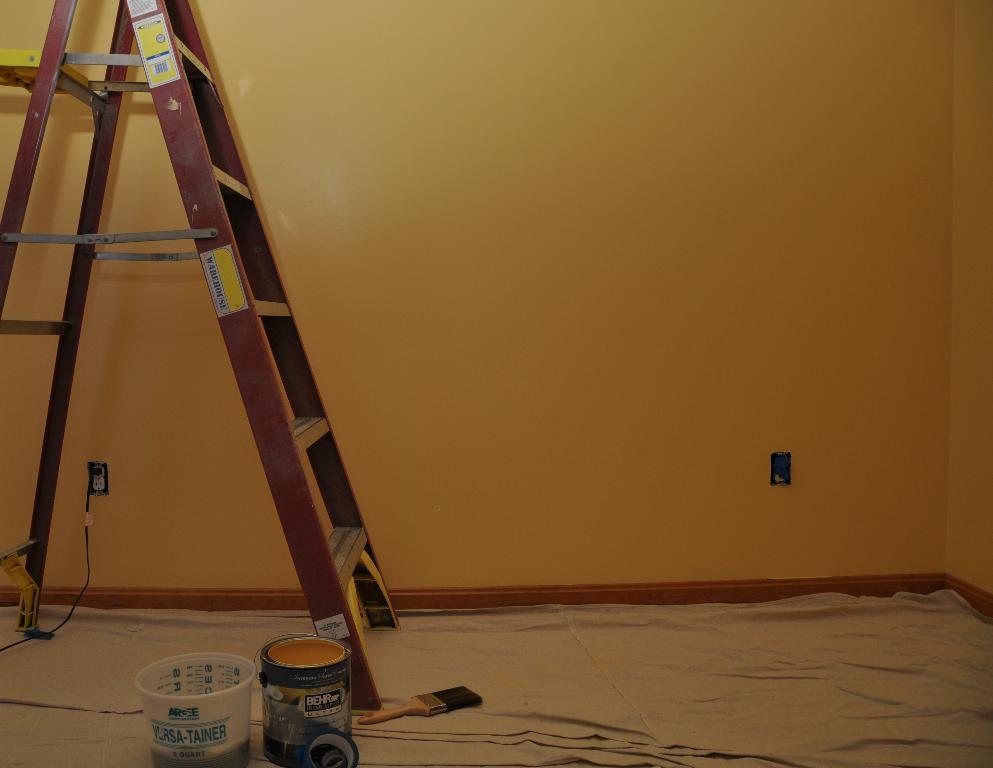
Move furniture to the middle of the room and cover it completely. Lay drop cloths over the floor, right up to the baseboards, and remove switch plates and outlet covers. Put the screws in a labelled bag so nothing goes missing.
Repair before you paint
Paint highlights every dent and crack. Fill nail holes and small dings with lightweight spackle, and use joint compound for larger patches. Once dry, sand smooth and wipe away the dust with a damp cloth.
- Scrape away any flaking paint and feather the edges with sandpaper
- Wash greasy or marked areas with a gentle cleaner and let them dry
- Caulk gaps along trim and window frames for crisp lines
Prime where it counts
Spot prime patched areas so they do not show through as dull patches. If you are covering a dark colour, a stain or bare drywall, prime the whole surface. A tinted primer helps rich colours cover evenly.
Cut in along the ceiling and trim, then roll the walls while those edges are still wet to avoid visible lines.
Paint in the right order
Work from the top down: ceiling first, then walls, then trim and doors. Roll in a loose W pattern and fill it in without lifting the roller, keeping a wet edge as you move across the wall. Allow proper drying time before adding another coat.
Finish with care
Remove painter's tape while the final coat is still slightly soft, pulling it away at a low angle. Replace the covers, return the furniture and enjoy a room that looks brand new.
Short on time, or facing high ceilings and tricky stairwells? Our painting crew can prep, protect and finish any room in your home with a flawless result.